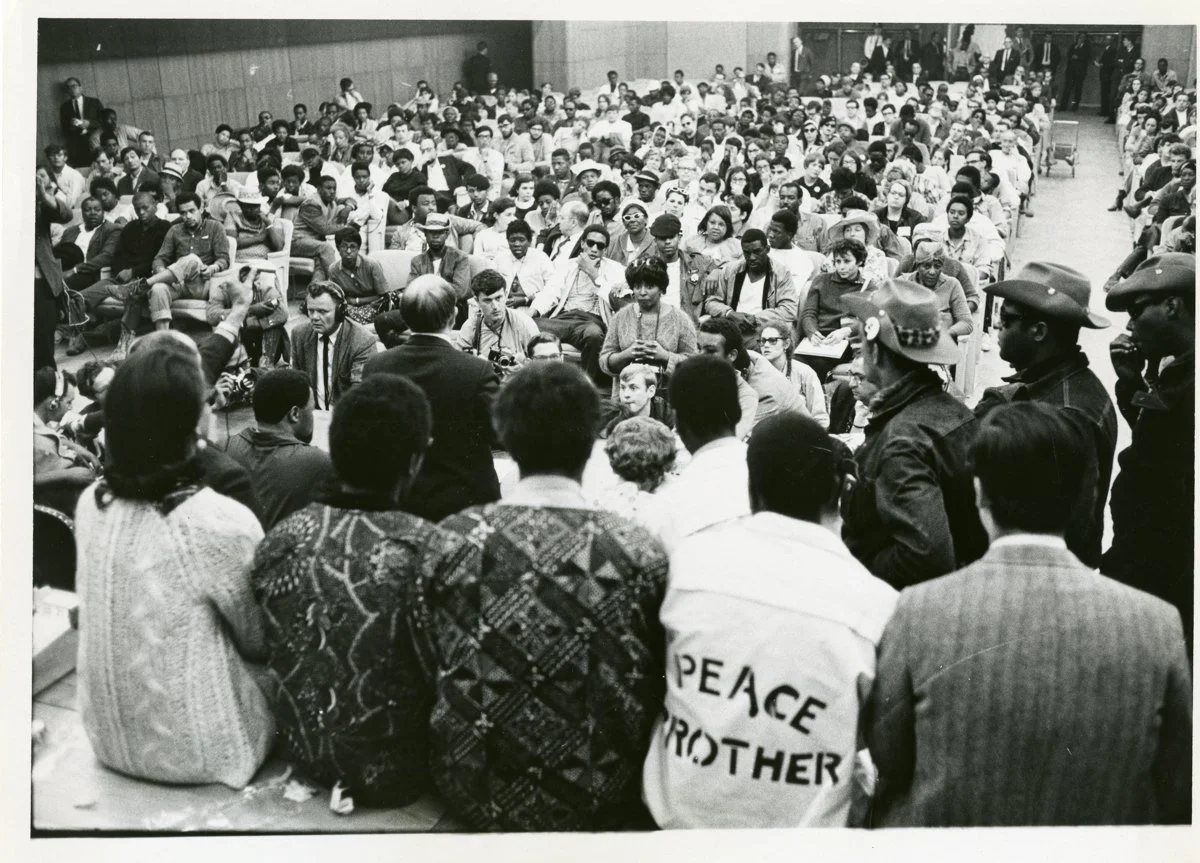
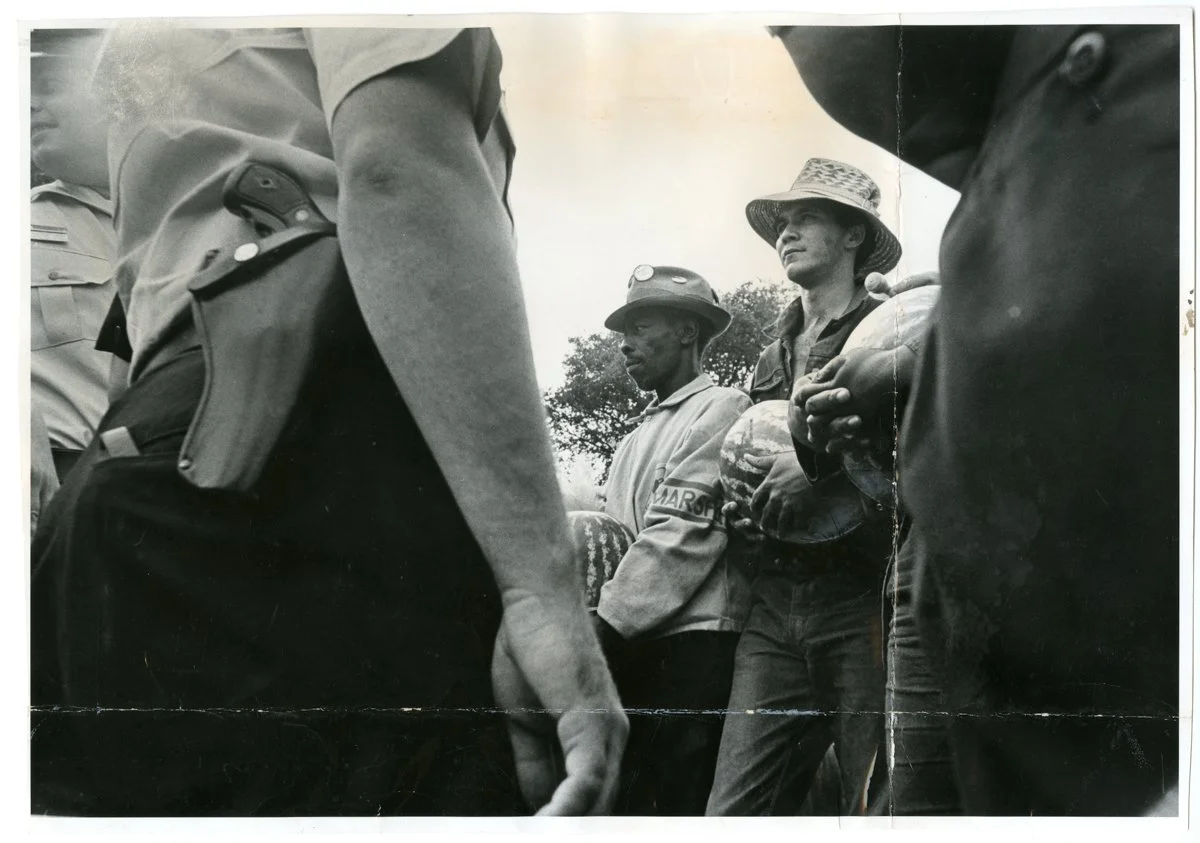
QUESTIONS OF POWER AT “AMERICA 250”
2026 PUBLIC ANTHROPOLOGY CONFERENCE
NOVEMBER 6-7, 2026
MARTIN LUTHER KING, JR. MEMORIAL LIBRARY
WASHINGTON, D.C.
PAC 2026:
Questions of Power at “America 250”
The 2026 Theme
Throughout 2026, the media, entertainment, and attention landscape in the United States has revolved around questions of the country’s history, values, and impact. Major events such as “America 250” and the FIFA World Cup offered opportunities to reflect on and tell particular stories about the United States– its past, present, and future. Most framings ultimately paint a picture of a nation that has arrived, one defined by triumph, exceptionalism, unity, justice, equity, progress.
Yet despite leading claims, a “more perfect union” has never been a reality. For this year’s Public Anthropology Conference, we hope to explore this celebratory picture and offer more grounded understandings of the nation. This includes asking questions such as:
What stories, evidence, and experience disrupt the celebratory picture of the nation — both historically and today?
For whom has equality been a promise, and for whom has it been out of reach or denied?
How does inequality get created, and why does it persist?
How are people organizing and fighting for change?
How does history get told, and why does this matter?
How and why are such questions relevant in a broader geopolitical landscape?
Possible session themes
Labor
Land
Language
Law
Media & Entertainment
Memory
Nationalism
Policing & Security
Privacy & Surveillance
Race & Ethnicity
Regulation
Religion
Social Movements
Technology & The Digital Sphere
War
And more!
Art & Culture
Borders
Colonialism
Disability
Economy
Education
Elections & Voting
Empire
Environment
Food
Gender & Sexuality
Health
History & Historiography
Housing • Human Rights
Immigration
Indigeneity
Infrastructure
PAC’s Approach: Public knowing, public change
You don’t need a university affiliation to take part. We welcome researchers, students, artists, organizers, practitioners, and community members with a story or analysis to share. Sessions can take many forms: presentations, panels, workshops, performances, and more.
PAC2026 will continue to support our overarching approach of public knowing for public change. We believe that in the face of interconnected challenges building a more equitable future requires developing a shared understanding of these issues. Importantly, we know that meaningful dialogue comes when a wide set of thinkers and doers exchange ideas and work together.
We welcome submissions of all kinds and are particularly interested in applications which:
Translate academic research to inform broader efforts
Draw from public or grassroots scholarship and action
Share outcomes and reflections from community-based projects
Teach methods, frameworks, or practices that can be utilized inside or outside of the academy
Create multi-sensorial, artistic, or interactive session
Types of presentations
Individual presentations (papers, talks)
Panels (grouped presentations)
Workshops, teach-ins, author talks, films, walking tours, and other interactive formats
Tabling and exhibit participation
Important Dates
September 20 at 11:59pm EST: Deadline to apply to present
September 28: Notifications of acceptance or rejection, program-at-a-glance published
October 5: Full program published
November 6/7: Conference
HOW DID GET PAC GET STARTED?
WHY IS PAC HELD AT A PUBLIC VENUE?
WHAT DO YOU MEAN OPEN-TO-ALL?
WANT TO HELP US FULLY ACHIEVE THIS VISION?
THANK YOU TO OUR FUNDERS!
PAC 2025 and related programs are funded, in part, by the National Science Foundation Accelerating Research Translation program under the Translating Research Into Action Center (TRAC) award #2331399.
Want updates on conference offerings, deadline reminders, and more?